



Best Yoga Styles for Beginners and Beyond
Why You Should Explore Different Yoga Styles

Yoga teachers and studios do their best to create welcoming spaces. However, for some, their first foray into yoga can be intimidating and uncomfortable. Many classes these days are labeled “All Levels Welcome” or “Beginner Friendly,” but that doesn’t always match the experience of new students. Unfortunately, not all teachers are prepared to cue for all bodies and fitness levels.
It can even seem like you were somehow supposed to learn a whole new language and vocabulary before walking in the door. (Now, I firmly believe that there’s a place for Sanskrit in yoga, and it’s essential to honor yoga’s origins; however, it can be challenging for beginners.)
And, in my opinion, not all yoga styles are suitable for a true beginner.
Which brings me to the point of this blog post: You should explore different styles of yoga.
This is as true for the Vinyasa devotee as it is for someone just starting out.
Why You Should Try Different Yoga Styles
While it’s impressive to have a routine and stick to it, commendable even, sometimes our routines can get stale. It’s easy to get caught up in thinking that more is better, that pushing yourself is the only path to progress, and the rest is for the weak. Over time, our bodies can even suffer from the stress of repetitive movements.
As humans, we thrive in diverse environments. Our sense of curiosity and wonder needs the stimulation of new and different things.
Otherwise, it’s too easy to find your mind wandering during your workout. Which is not only a sign of boredom — it can be dangerous! If you’re not paying attention when lifting heavy weights or zipping through a Vinyasa practice, you’re more likely to hurt yourself.
Variety is the Spice of Life
There are so many styles of yoga to try!
And more are created all the time as yoga becomes increasingly embraced in the Western world and as individual teachers bring their own unique style and talents to their classes.
Some yoga styles are fast-paced and keep you moving, some challenge your strength or balance, and some are gentle and slow. The focus of some yoga styles is improving flexibility, while others might focus on breathwork and stillness, or on building strength and stress resilience.
Each teacher brings their own personality to a class and yoga practice. And as teachers, we often check in with students in the room to determine pacing, level of difficulty, and whether to include more advanced practices.
So, even if you took a yoga class and didn't like it, your next yoga class could be completely different.
The Many Styles of Yoga
To help you realize what you may be missing by sticking with the same practice week over week, here’s a brief list of some of the most common styles of yoga and their benefits. Listed from gentlest to most challenging, these are just a few of the most commonly found styles of yoga.
Quick Comparison of Popular Yoga Styles
Restorative: Deep relaxation, stress relief
Yin: Long-held stretches, flexibility
Gentle: Beginner-friendly, low intensity
Hatha: Balanced strength and flexibility
Slow Flow: Controlled movement with breath
Vinyasa: Continuous, breath-led flow
Power: Athletic and strength-focused
Restorative Yoga
Restorative yoga is a different experience from most other styles of yoga. It’s a restful practice that encourages you to slow down to the point where, in some classes, participants barely move. It is a practice of deep relaxation that opens your body through passive stretching and emphasizes the meditative aspect of yoga. Through the use of props for support, such as blankets, bolsters, blocks, straps, and sandbags, many postures are held almost effortlessly.
Due to its gentle nature, restorative yoga reduces stress and anxiety by promoting deep relaxation and can improve sleep quality. The supported postures can also soothe the nervous system, lower blood pressure, and help reduce chronic pain.
Yin Yoga
Yin Yoga is a slow style of yoga that features asanas (postures) held for longer than in other yoga styles. In some classes, participants may stay in one asana for five minutes or more. Yin yoga works by targeting the body's connective tissues – fascia, tendons, and ligaments – through sustained, passive stretches held for extended periods. It is a practice that is deeply focused on flexibility, along with the meditative aspect that comes from being still for minutes at a time. It encourages practitioners to find a comfortable edge in each pose, feeling a gentle stretch without forcing the body.
With its focus on flexibility and unique impact on connective tissue, the primary benefits of Yin Yoga include improved flexibility and mobility, as well as fascial rejuvenation through hydration and nourishment of the body's connective tissue and fascia. It also promotes calm by allowing time for reflection in each pose.
Gentle or Beginner-Friendly Yoga
Gentle yoga is an excellent entry point for those new to yoga or fitness in general. Gentle yoga focuses on slow, mindful movements and gentle stretches, making it accessible to beginners and those with physical limitations. It emphasizes relaxation, stress relief, and improving flexibility and range of motion through poses that are less strenuous than other yoga styles. Gentle and beginner-friendly yoga often stays lower to the ground, working up to some standing postures to challenge balance with care.
Due to its slower pace and mindful movements, it’s suitable for individuals with limited mobility, senior citizens, or those just beginning their fitness journey. The benefits of gentle or beginner-friendly yoga include improved flexibility and range of motion, better balance and posture, and a stronger mind-body connection.
Hatha Yoga
Hatha Yoga involves slow, deliberate movement through a variety of yoga postures to warm up, stretch, and strengthen the entire body. Some postures may be held longer than others to deepen a stretch, build strength, or challenge balance. In some Hatha Yoga classes, the teacher prepares their students for the most challenging pose of the class, known as the peak pose. This includes a warm-up, followed by a series of postures to prepare the body for the next posture. Alternatively, the teacher may focus on balancing the body by moving through the same series of postures on both the left and right sides, thereby stretching and strengthening each side equally.
The physical benefits of yoga postures include stretching and strengthening your body as well as improving endurance and overall fitness. Deep core work, strength gained in standing balances, and improved flexibility are all ways yoga can enhance overall balance and posture. Additionally, breathwork, or pranayama, combined with the focus required to hold yoga poses, helps reduce anxiety and enhance mindfulness.
Slow Flow Yoga or Gentle Vinyasa
While Slow Flow has “slow” in the name, this is a flowing style of yoga that may not be best suited to the total beginner. It’s a Vinyasa-style practice, where movement is tied to breath, that is practiced at a slowed-down pace. It emphasizes mindful movement, incorporates some longer-held poses, and connects breath and body. Slow Flow may include more advanced poses than a typical Hatha practice, offering a challenge that can help build strength and increase flexibility.
The benefits of Slow Flow are similar to those of Hatha or Vinyasa. By taking time to ensure proper alignment in postures and to hold poses longer, you’ll be able to build your stamina and lay a foundation for your yoga journey.
Vinyasa Yoga
Vinyasa Yoga is sometimes described as being almost a dance, rather than a more static practice like Hatha. Vinyasa yoga aims to build strength and flexibility, improve cardiovascular health, and promote mindfulness and relaxation. In a Vinyasa practice, you will move with each breath, taking a new posture with each inhale and exhale. Some poses are held for longer periods, but the repetition of movement keeps the practice engaging and challenging. Vinyasa is a popular choice for those seeking a physically demanding yoga practice.
The benefits of Vinyasa Yoga include the strength and flexibility of other forms of yoga, but it adds an aerobic component. The brisk movements, synchronized with your breath, will get your heart pumping!
Power Yoga
Power Yoga is a subset of Vinyasa Yoga that adds even more strength and endurance training to the practice. While Vinyasa emphasizes a fluid, flowing practice, Power Yoga is a more athletic, strength-focused style with longer holds and more intense movements. Definitely not for beginners, Power Yoga incorporates advanced postures to challenge balance and build strength.
In addition to the benefits commonly found in a yoga practice, Power Yoga incorporates strength-building poses and sequences that engage multiple muscle groups, leading to lean muscle mass and improved muscle tone, particularly in the core.
As you can see, there are many different ways to move your body and several styles of yoga to explore. Exploring a different pace or taking a class focused on your flexibility will help you learn more about your body and provide your mind with a new challenge as well.
Still not sure where to start? I help you figure it out and give you a personalized practice plan with the First Month of Unlimited Yoga new student offer. Snag the offer, book your call, and start your yoga practice!
Frequently Asked Questions About Yoga Styles
What are the main types of yoga?
Some of the most common yoga styles include Restorative, Yin, Gentle, Hatha, Slow Flow, Vinyasa, and Power Yoga. Each style varies in pace, intensity, and focus, ranging from deeply relaxing to physically challenging.
Which yoga style is best for beginners?
Gentle yoga or Hatha yoga is often the best starting point. They move at a slower pace, emphasize alignment, and allow beginners to build strength and flexibility safely.
What is the difference between Hatha and Vinyasa yoga?
Hatha yoga typically focuses on slower, more deliberate poses with pauses between movements. Vinyasa yoga links breath to movement in a continuous flow and is generally more physically demanding.
Is Vinyasa yoga good for beginners?
Some Vinyasa classes are beginner-friendly, but the faster pace can feel overwhelming if you’re brand new. Starting with Gentle or Hatha yoga can help build confidence first.
What type of yoga is best for stress relief?
Restorative and Yin yoga are especially effective for stress relief because they emphasize stillness, longer holds, and nervous system support.
What style of yoga is best for overall fitness?
Hatha, Slow Flow, and Vinyasa yoga build strength, flexibility, balance, and endurance. These styles offer a well-rounded physical practice.
How do I know which yoga class to take?
Consider your current fitness level, injuries, and goals. If you want relaxation, try Restorative or Yin. If you want strength and movement, try Hatha or Vinyasa. Beginners often start with Gentle or Hatha yoga.
About the Author
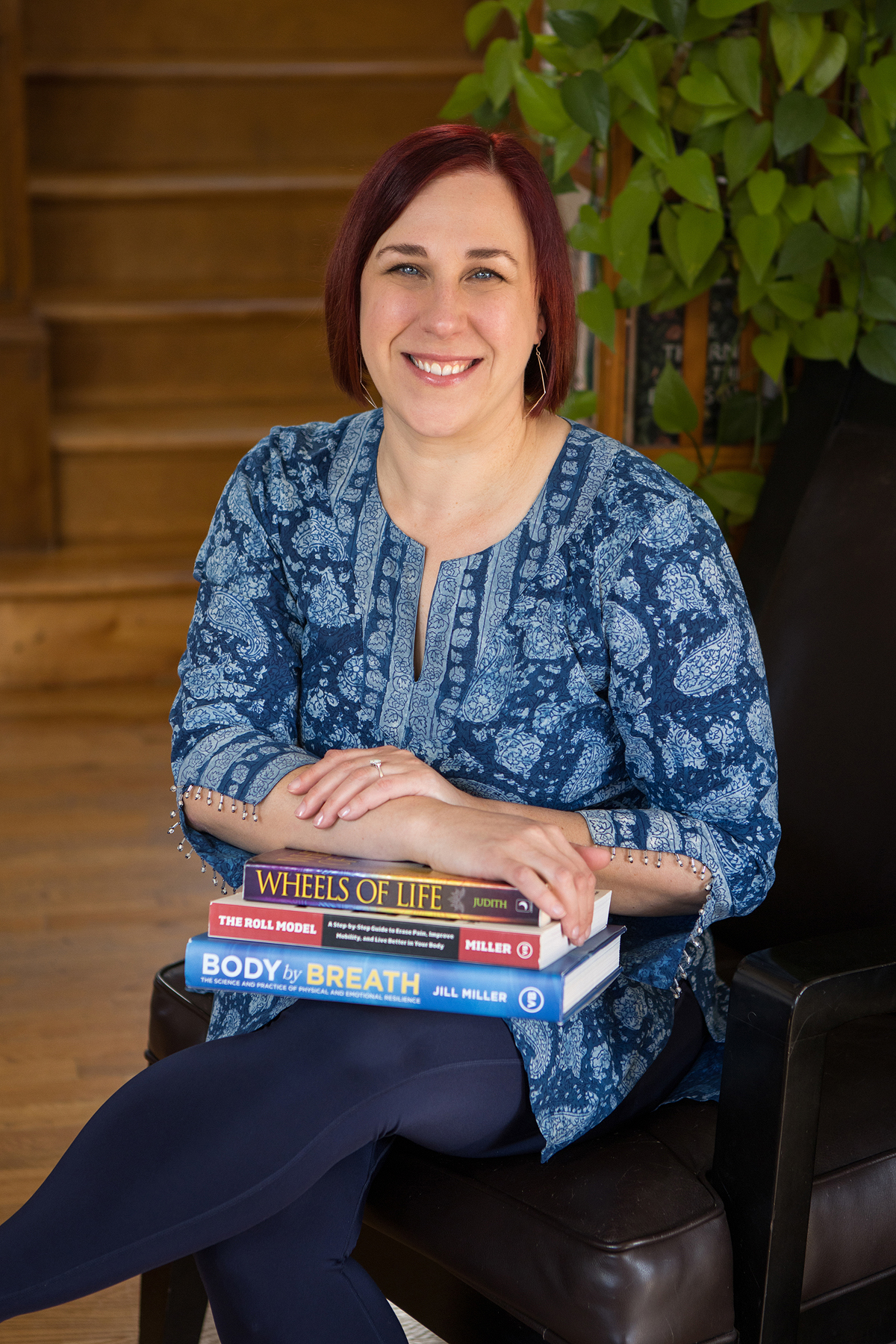
Ashley Vasas is a Minneapolis-based yoga teacher and the founder of Nourish & Grow Yoga. She has taught more than 1,000 hours of yoga classes, workshops, and special events and holds both 200-hour and 500-hour yoga certifications. Ashley specializes in accessible, nervous-system-supportive yoga that helps students build strength, mobility, and sustainable self-care practices.
She teaches online yoga classes as well as in-person classes in the Twin Cities.




