



How to Start a Simple Home Yoga Practice (Beginner-Friendly Guide)
How to Start a Simple Home Yoga Practice
As a yoga teacher, I often recommend that my students start adding yoga to their daily routines. While it can feel overwhelming to practice on one’s own at first, adding a daily yoga practice has many benefits for health and mental well-being.
What You Need to Start a Home Yoga Practice
You don’t need much to get started with yoga at home. Most beginners only need:
• A yoga mat
• Comfortable clothing
• A quiet space
• Optional props like blocks or a strap
• A guided class or video to follow
Why Start a Home Yoga Practice?
The more yoga, the better! (I have to say that, right?)
But in all seriousness, starting a home yoga practice offers flexibility, convenience, and privacy, making it easier to stay consistent.
Beginning your day with a quick yoga practice or using yoga to wind down after work can bring positive changes to your health and mental well-being. The convenience of a home practice helps you take control of your wellness anytime.
Yoga can help you ease pain, increase flexibility, and find mindfulness. All of these things make it an excellent addition to your daily life. In particular, starting your day with yoga can help you avoid the manic morning rush by providing time and space to just be with your breath and body. A gentle morning yoga practice can also help you limber up and wake up the body so you’re ready to take on your day. Adding some stretching and movement to your morning routine can help you warm up for physical work or even make sitting at your desk more comfortable.
Winding down at the end of the day often includes an adult beverage or maybe a nap. And while I’m all about getting enough sleep, a relaxing yoga practice can help you create a boundary between your work and home life.
By taking some time at the end of the day to focus on your breath and movement, you’ll be better able to leave the office at the office. Additionally, taking time for gentle stretching and yoga poses will help ease the tension that has built up in your body throughout the day. Whether you experience neck pain from staring at your computer all day or lower back pain from lifting or even sitting for too long, yoga can help!
How Do I Start a Yoga Practice at Home?
While I wouldn’t recommend that a total beginner start practicing yoga unsupervised (more on that later), once you have the basics down, it’s easy to practice on your own.
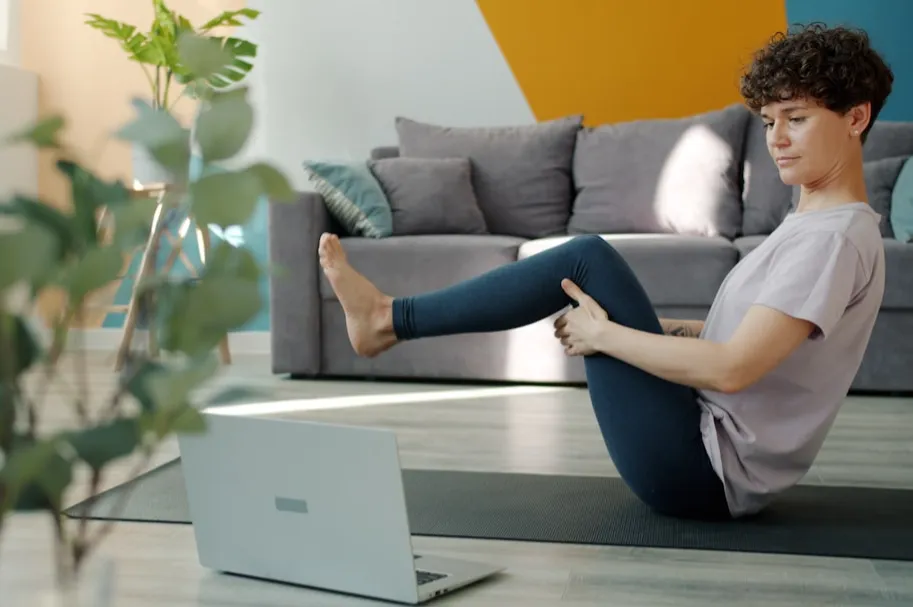
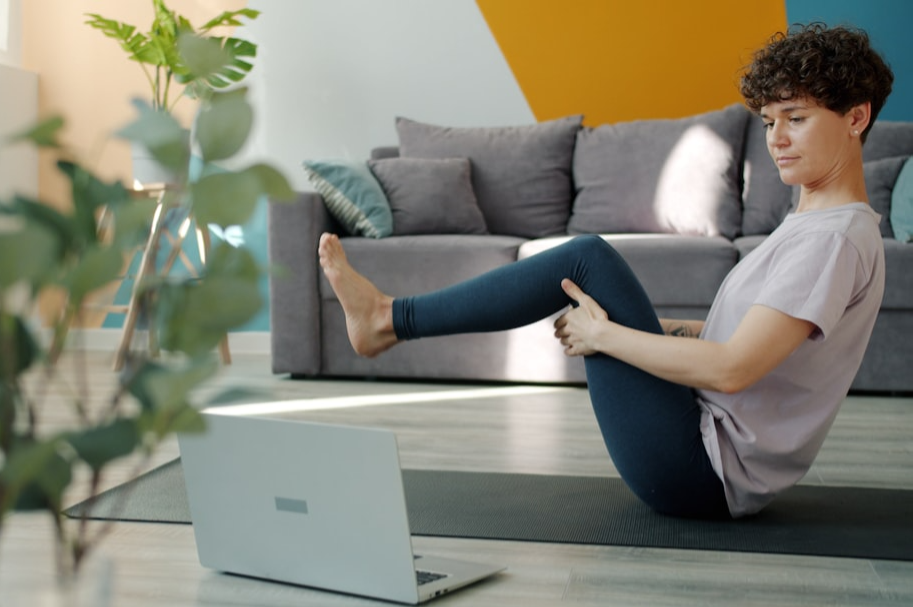
The easiest way to start a home practice is to follow along with a virtual class or video. Online yoga classes make it convenient to practice yoga from the comfort of your home. Check out the online yoga class schedule to sign up for the several live-streamed classes I offer weekly. Online yoga classes make it convenient to practice yoga from the comfort of your home, provided you have the space and privacy needed. Videos are another great on-demand option for home practice. There are plenty of videos available on YouTube, and Nourish & Grow Yoga also has a growing video library.
When choosing virtual classes or videos, pick practices suitable for your experience. Knowing that a trained teacher is available to guide your posture can help you feel more confident in your practice.
How Can I Be More Consistent With My Home Practice?
As with starting any new habit, consistency is key to making a home yoga practice stick. Consistency means building a habit and returning to it after a lapse.
Set Attainable Goals
It’s a great goal to want to practice yoga every single day. However, to avoid being discouraged when life gets in the way, perhaps start with an easier-to-achieve goal of 3-5 days per week. Setting attainable goals is a great way to support your new habit.
Create Space and Time
We often want to add a new habit to our busy lives, but underestimate or overestimate how much time it will take. Decide how long you want your yoga practice to be. Incorporating a twenty-minute gentle yoga practice into your day is a great starting point. You can always grow your practice from there or spend more time on the mat if your day is flexible.
Find time in your schedule for yoga and book classes in advance, or put your home practice on your calendar for accountability.
If space allows, it can help to have your yoga mat out and ready. As simple as it sounds, the extra step of rolling out your mat can derail your practice when you’re feeling unmotivated.
Make it Special
Often, what makes a yoga class feel special is the attention paid to creating an atmosphere with mindfulness. Candles, incense, music, and lighting can all help you create a relaxing ambiance for your home yoga practice.
Even if you practice at home, working with a trained teacher occasionally can help you feel guided and supported, ensuring proper posture and preventing bad habits that could cause discomfort or injury.
If I’m Practicing at Home, Do I Still Need a Teacher?
As a yoga teacher, I’ve completed over 500 hours of training in movement instruction, anatomy, and the practice of many yoga styles. And I’ve taught more than 1000 hours of yoga classes. When I teach, I bring all that experience with me to ensure my students' safety and to provide a yoga class that suits their needs and experience level.
It’s important to understand that not all yoga certifications are created equal. Only 200 hours of training are required to become a Yoga Alliance-registered yoga teacher. Additionally, some fitness professionals teach yoga without actually being certified or registered with Yoga Alliance.
That said, while the teachers in the YouTube videos are likely certified yoga teachers, the format doesn't allow them to cater to your specific needs. They may introduce postures you’re unfamiliar with or use cueing language that doesn’t apply to your stance or body.
Even if you start and maintain a regular yoga practice at home, it’s always a good idea to have a class with a trained teacher from time to time. Working with a teacher one-on-one or in a small-group class can help ensure proper postural alignment and help you unlearn any bad habits you’ve picked up that could lead to pain or injury over time.
This is exactly why practicing at home can be such a powerful way to build consistency—especially during busy seasons.
Key Takeaways
A home yoga practice makes it easier to stay consistent
You only need a small space and a few basic props
Starting with guided online yoga classes can help you feel more confident
Consistency matters more than intensity
Even short, gentle practices can make a meaningful difference
If you’re ready to build a consistent, supportive yoga practice, explore the video library of yoga classes and meditations, or join a livestream class.
→ View the Yoga Class Schedule
Frequently Asked Questions
Is it okay to practice yoga at home as a beginner?
Yes, but it’s helpful to start with guided classes. Following a trained teacher—especially in livestream or beginner-friendly online yoga classes—can help you learn proper alignment and avoid injury.
How often should I practice yoga at home?
Starting with 3–5 times per week is a great goal. Consistency matters more than duration, so even short practices can be effective.
Do I need equipment for a home yoga practice?
At a minimum, a yoga mat is helpful. Blocks and straps can provide support, but many beginners start with just a mat and add props later.
Are online yoga classes effective?
Yes. Online yoga classes, especially livestream classes, offer guidance, structure, and accountability while allowing you to practice from home.
What is the best time of day to practice yoga at home?
The best time is the one you can stay consistent with. Many people prefer to start the day calmly in the morning or unwind and release tension in the evening.
About the Author
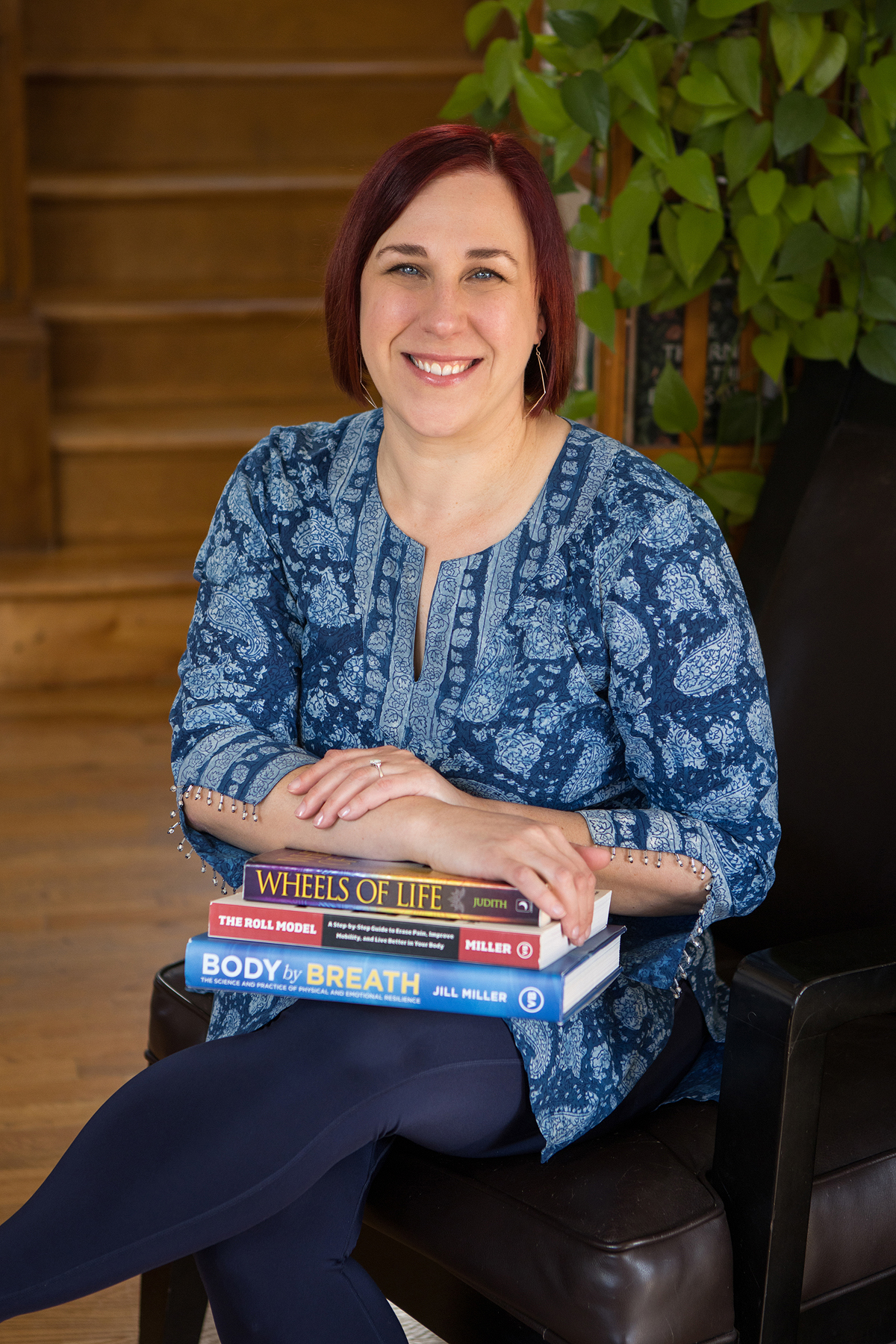
Ashley Vasas is a Minneapolis-based yoga teacher and the founder of Nourish & Grow Yoga. She has taught more than 1,000 hours of yoga classes, workshops, and special events and holds both 200-hour and 500-hour yoga certifications. Ashley specializes in accessible, nervous-system-supportive yoga that helps students build strength, mobility, and sustainable self-care practices.
She teaches online yoga classes as well as in-person classes in the Twin Cities.




